Key Takeaways:
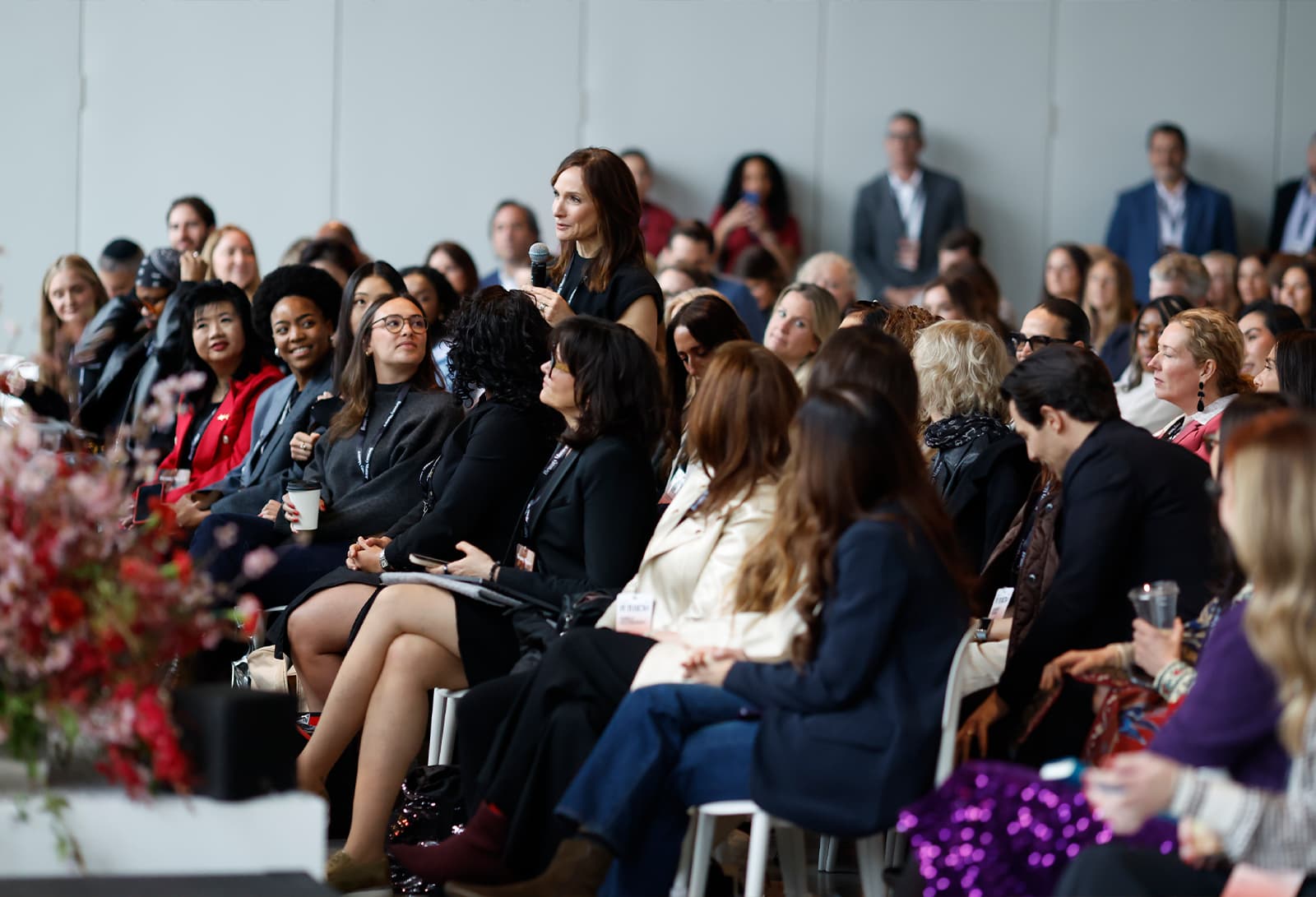
BeautyMatter’s FUTURE50 Summit returned this March with its signature blend of high-level insight, community-driven energy, and forward-looking conversations, defining what’s next for the global beauty industry. Across two days of curated programming—including intimate dinners the evening prior and a full day of panels, activations, and networking—the FUTURE50 community convened to exchange ideas, build relationships, and explore the strategies shaping the future of independent beauty.
Set against an atmosphere that balanced polished professionalism with creative informality, the gathering brought together founders, investors, marketers, retailers, product developers, and cultural forecasters, reinforcing BeautyMatter’s role as a connector between emerging brands and industry infrastructure.
As BeautyMatter founder and CEO Kelly Kovack noted in her opening remarks, the FUTURE50 list serves as a marker of brands reaching meaningful traction, not simply novelty. “The FUTURE50 list for us is a snapshot in time of independent brands that sort of hit their stride, or they've gotten some traction,” she said.
The evening prior to the Summit set the tone with a series of intimate dinners that allowed founders, partners, and industry leaders to connect in a more relaxed setting. Conversations ranged from capital strategy to brand storytelling, reflecting the collaborative spirit that has become central to the BeautyMatter community.
The dinner reflected a key theme that would continue throughout the Summit: that building a brand today requires both resilience and adaptability. Founders shared candid reflections on navigating retail complexity, investor expectations, and consumer evolution, creating a sense of collective momentum heading into the main event.
The Summit opened with Kovack, alongside BeautyMatter co-founder and President John Cafarelli, welcoming attendees and highlighting the growth of both the FUTURE50 list and the broader BeautyMatter ecosystem. “Being an entrepreneur is really hard,” Kovack said. “So in looking back at the very first FUTURE50 list, there are some brands that didn't make it that we thought were great. Sometimes it takes an awful lot of luck, too.”
Cafarelli emphasized BeautyMatter’s role as an industry connector, bringing together a highly engaged audience, many of them senior level. “Over 50% of the people in this room have the title of founder, CEO, or some other C-suite,” he noted. “This is really just a fantastic who's who that I'm really proud of.”
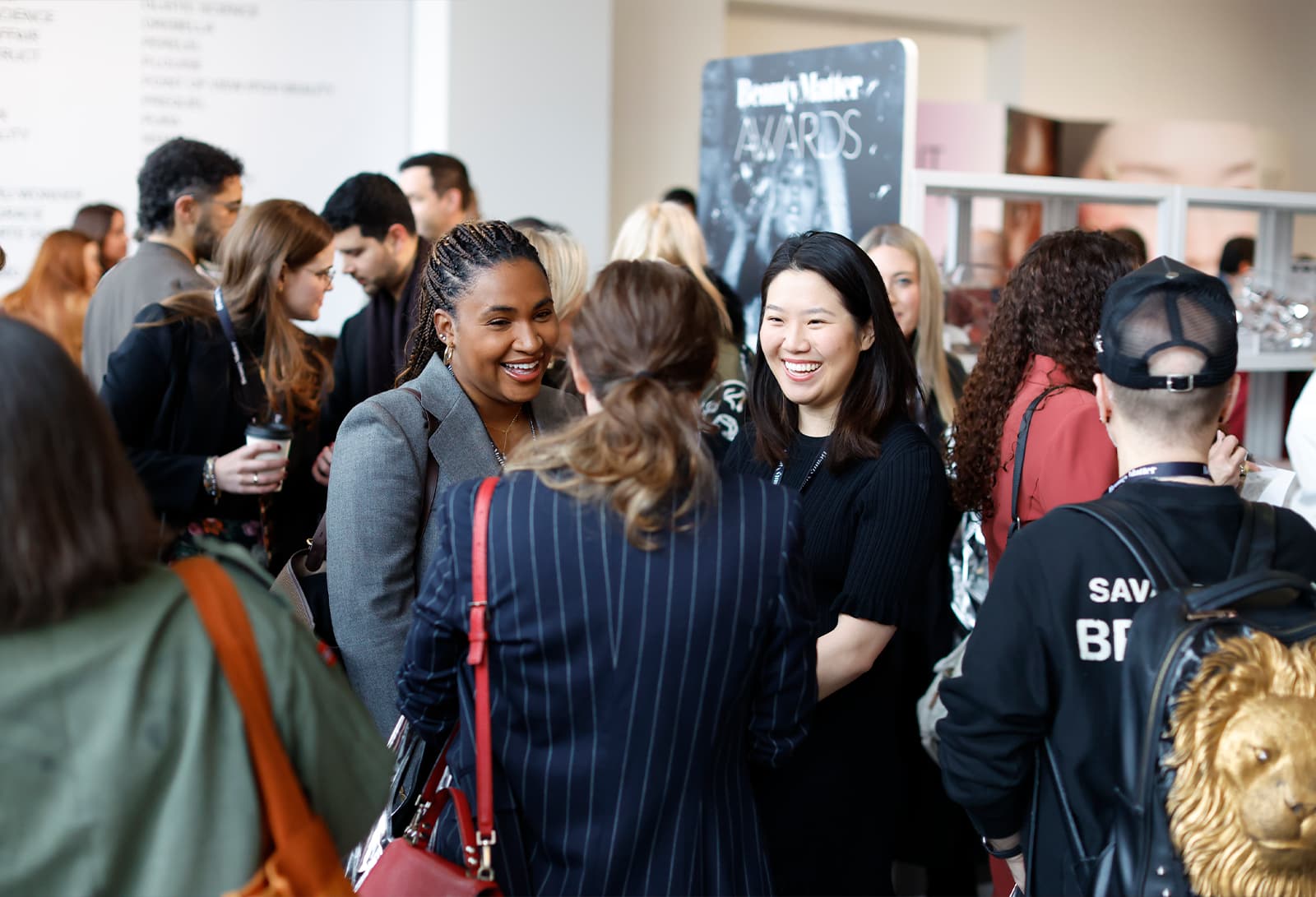
The space itself reflected this intention. A content room hosted panel discussions designed to spark meaningful insight, while an adjacent “BeautyMatter supermarket” showcased products from FUTURE50 brands. Upstairs, a dedicated networking lounge offered attendees a more informal environment for meetings and conversation. “We've built this event with the content that we create in mind, but also with that networking in mind,” Cafarelli said.
The first presentation explored the future of experiential retail through the lens of Gen Z, drawing from field research conducted in Shanghai and Singapore in collaboration with the Savannah College of Art and Design (SCAD). The study highlighted how younger consumers increasingly expect immersive, multisensory environments that merge physical and digital touchpoints. Key themes included co-creation, emotional connection, and the role of technology in enhancing service experiences.
Among the insights was the importance of creating environments that function as cultural spaces rather than purely transactional ones. “There’s personalization, sure, but there’s true authorship when it comes to some of these brands that invited the consumer in to design in real time,” said Melanie Keys, Professor of Fashion Marketing and Management at SCAD.
Students involved in the research identified six signals shaping the next era of retail, including heritage storytelling, phygital ecosystems, and emotional anchors that drive brand loyalty. Observations around customer service particularly resonated with attendees, as students questioned why Western markets often fall short in delivering highly personalized experiences.
“The students were blown away by the level, the personal touch, of service,” Keys explained, noting that technology often operates behind the scenes to enable more meaningful human interaction.
The session ended with a reinforcement of how there is a burgeoning broader industry shift toward designing retail spaces that create lasting emotional connections rather than simply facilitating transactions.
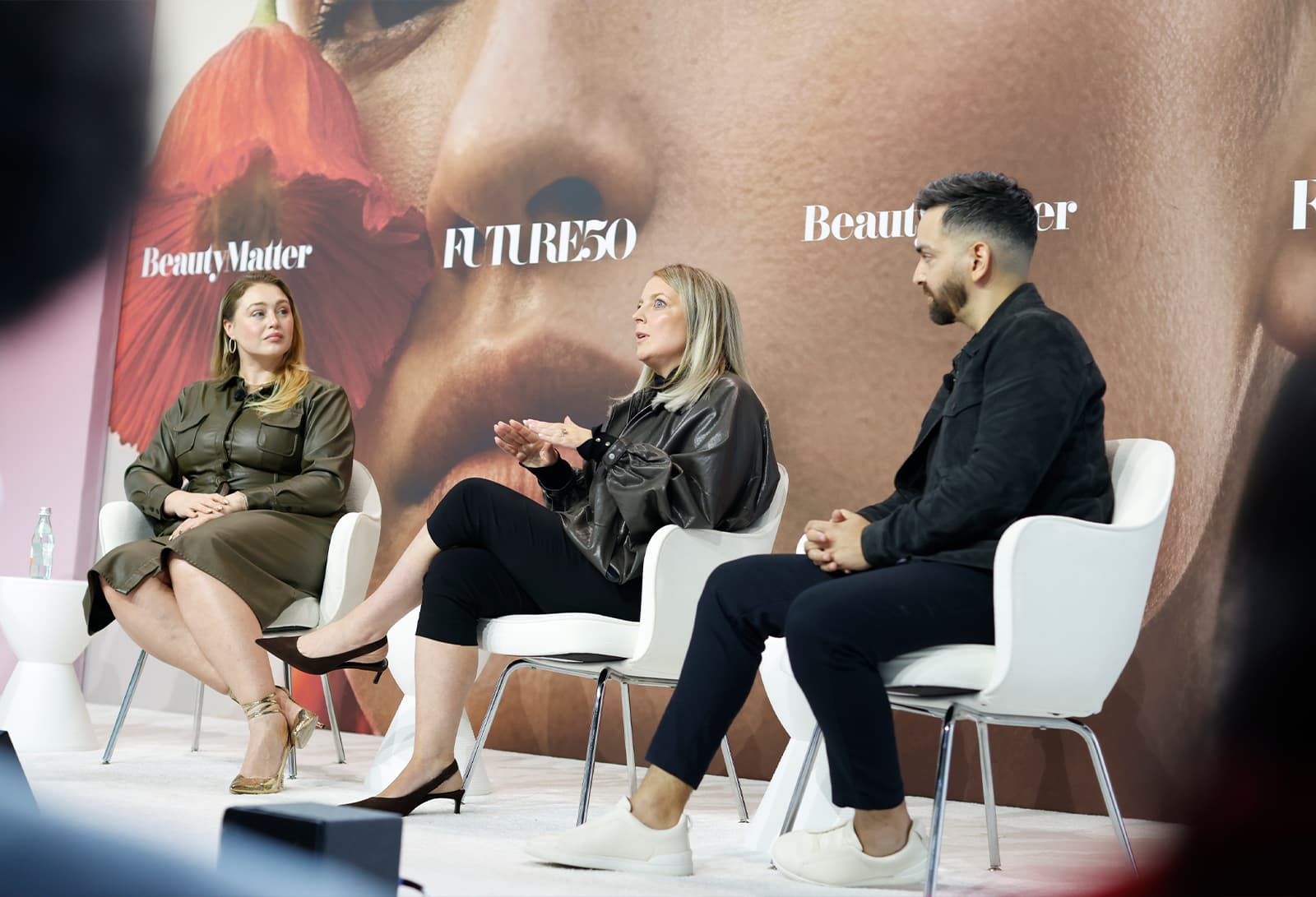
One of the Summit’s most anticipated panels, Maintaining Momentum: Catching Up with Indie Powerhouses, brought together founders who have successfully transitioned from early buzz to sustainable growth. The discussion featured leaders from brands spanning Gen Z skincare, biotech-led longevity, and color cosmetics, each offering a unique perspective on scaling in today’s market environment.
Shai Eisenman of Bubble reflected on the evolving nature of success as an independent founder. “It still feels surreal and you still feel exactly the same as it was in the first year,” she said. DIBS co-founder Jeff Lee emphasized the importance of product validation through repeat purchase behavior. “The first time that a customer came up to us and said, ‘I repurchased the first thing I bought from you,’ that told us we have some level of product market fit,” he explained.
Carolina Reis, co-founder of OneSkin, highlighted the role of scientific credibility in building long-term brand equity. “We invested over seven million in just doing the research to find this new peptide that is the core of our products,” she said, underpinning the growing importance of defensible innovation.
Across the conversation, founders repeatedly emphasized the operational realities behind scaling, including team building, cash flow management, and navigating retail partnerships, reminding attendees that growth often depends on disciplined execution as much as creative vision. “Your team is everything,” Eisenman noted.
Discussions throughout the day also touched on emerging technologies, particularly artificial intelligence, and its role in shaping the next generation of brand building. Panelists framed AI not as a replacement for creativity but as a tool to enhance efficiency and strategic thinking. “It can't replace true creativity, but it could help make it better,” Eisenman said, describing AI as a “force multiplier” when applied thoughtfully.
The conversation mirrored a broader industry curiosity about how founders can integrate technological innovation without losing the emotional resonance that drives brand loyalty.
Across panels and informal conversations alike, another recurring theme surfaced: the value of community as both a source of knowledge and a driver of opportunity. From networking sessions to curated activations, the Summit created multiple touchpoints for collaboration, reinforcing the idea that success in beauty increasingly depends on cross-functional partnerships. As Cafarelli noted in his opening remarks, “Everyone who's in this room belongs here.”
As the beauty landscape continues to evolve, the FUTURE50 Summit serves as both a reflection of current momentum and a preview of what lies ahead. The conversations this year highlighted the growing importance of defensible innovation mentioned above, community-led development, and adaptable business models capable of navigating rapid change.
More than anything, the event reaffirmed BeautyMatter as a platform for connection, bringing together the people shaping the next era of beauty and providing a space where ideas can translate into meaningful industry impact.
With founders, investors, and creatives aligned around a shared sense of possibility, the FUTURE50 community continues to demonstrate that the future of beauty will not be defined by a single trend, but by a collective willingness to build what comes next.